


.webp)


Clear Communication Matters — Especially When You Are Away From Home
A hernia may sound like a straightforward diagnosis, but the right treatment is not exactly the same for every patient. Your symptoms, the type and size of the hernia, previous operations, medical conditions and lifestyle can all influence the recommendation. During your consultation, I personally explain your diagnosis, surgical options, risks, benefits and expected recovery in English. You should understand why surgery is being recommended — and if surgery is not necessary immediately, I will explain that as well. My approach is simple: evaluate carefully, explain clearly and recommend the treatment that makes sense for your individual case.
CMCG
Board Certified
FACS
Fellow ACS
Hernias
Abdominal Wall
MIS
Minimally Invasive
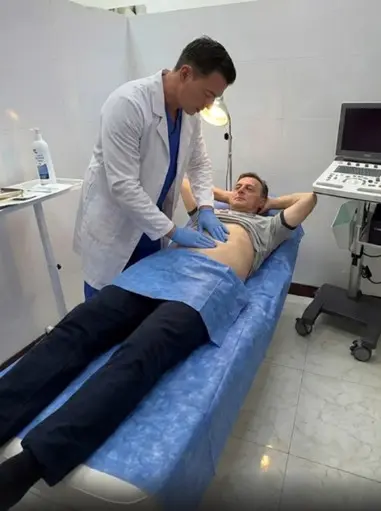


Board-Certified General Surgeon
Certified by the Consejo Mexicano de Cirugía General, with practice in general, laparoscopic and abdominal wall surgery in Merida.
Fellow of the American College of Surgeons
FACS reflects surgical training, professional qualifications and commitment to professional and ethical standards.
Hernia-Focused Surgical Practice
A significant part of my practice is dedicated to abdominal wall and groin hernias using open and minimally invasive techniques.
Personalized Follow-Up
Your care does not end when the operation is over. Recovery instructions and follow-up are planned according to your procedure and where you live.
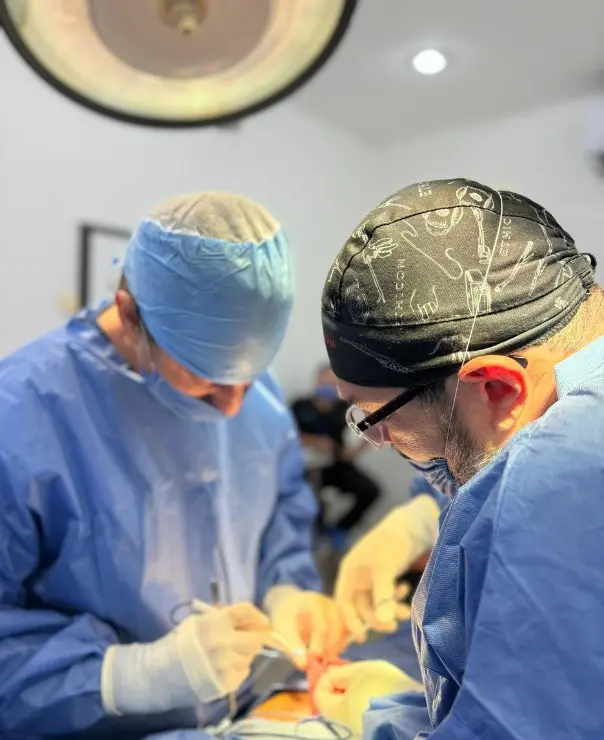
Who Is This Care For?
Expats Living in the Yucatan Peninsula
If you live in Merida, Yucatan, Campeche, Quintana Roo or elsewhere in the region, you may simply want surgical care in English without a language barrier. Whenever possible, I prefer to examine local patients in person.
International Patients Considering Surgery in Merida
If you live in the United States, Canada or another country, your first evaluation can often begin remotely. Before you travel, we can review your symptoms, medical history and available imaging to determine whether your case appears suitable for treatment in Merida.
Personalized Surgical Options
I treat inguinal, umbilical, epigastric, ventral and incisional hernias, including selected recurrent cases. Open and minimally invasive techniques such as TAPP or eTEP are selected according to your anatomy, diagnosis and surgical needs.
How the Process Works
WhatsApp Case Review
Tell us where you live, your symptoms, whether you already have a diagnosis and if you have an ultrasound or CT scan. This helps determine the appropriate next step.

Medical Consultation
Patients near Merida are usually evaluated in person. If you live farther away, the first consultation can often begin by video, reviewing your history, symptoms, medications and imaging.
Personalized Surgical Plan
If surgery is recommended, I explain the diagnosis, surgical approach, open or minimally invasive options, mesh when indicated, risks, recovery, preoperative studies, hospital needs and estimated costs.
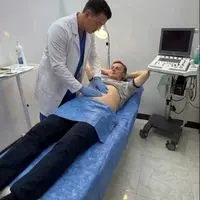
Surgery and Follow-Up
After the appropriate medical and anesthetic evaluation, surgery is performed with a recovery and follow-up plan tailored to the procedure and where you live. Later follow-up can often continue by video when appropriate.

Hernias I Commonly Treat — and How We Choose the Right Repair
I evaluate and treat inguinal, umbilical, epigastric, ventral and incisional hernias, including selected recurrent and complex cases.
Does Every Hernia Need Surgery?
Not every hernia requires immediate surgery. In selected patients, particularly some men with minimally symptomatic inguinal hernias, observation may be reasonable after proper evaluation. Surgery is more likely to be recommended when a hernia is painful, growing, limiting activity or becoming increasingly difficult to reduce.
How We Choose the Right Repair
There is no single operation that is best for every patient. Open surgery and minimally invasive approaches — including techniques such as TAPP or eTEP when appropriate — are selected according to your anatomy, the type and size of the hernia, previous operations and overall health.
Will I Need Surgical Mesh?
Many adult hernia repairs use surgical mesh to reinforce the abdominal wall and reduce the likelihood of recurrence. If mesh is recommended, I will explain why it is being used, where it will be positioned, the expected benefits, relevant risks and possible alternatives. A good hernia repair is not simply about placing mesh — it is about choosing the right operation for the right patient.
If you develop severe pain, vomiting, progressive abdominal swelling or a painful bulge that cannot be pushed back in, seek urgent medical attention where you are.
Traveling to Merida for Hernia Surgery
Plan the medical care first. Then plan the trip.
Traveling for surgery requires more planning than traveling for a vacation. Before recommending that you come to Merida, I consider the complexity of the hernia, your age and health, previous operations, current medications, anticoagulants, diabetes or blood-pressure control, imaging findings and your ability to remain in Merida for appropriate follow-up.
Before Surgery
For many international patients, arriving approximately 2 to 3 days before surgery provides time to complete the final medical evaluation without rushing.
Early Recovery
When possible, I also recommend enough time in Merida for early recovery and the first postoperative follow-up.
Return Travel
For many patients traveling by air, this may mean planning for around two weeks after surgery, although the exact timing is individualized.
Safety Comes Before Convenience
Some patients need additional evaluation or medical optimization before surgery — for example, poorly controlled diabetes or hypertension, significant heart or lung disease, anticoagulant treatment, elevated anesthetic risk, or large recurrent and complex hernias. If I believe your case requires more preparation, a longer stay or treatment closer to home, I will tell you.
Private Hospital Care in Merida
For this type of private surgical care, procedures can be performed at Hospital Star Médica Mérida, where I maintain my private practice. Your treatment is coordinated with the appropriate anesthesia and hospital team according to your operation and medical needs.
Medical Care, Not a “Surgery Vacation”
I do not approach international hernia surgery as a “surgery vacation” or a tourism package. My responsibility is the medical part: Is your diagnosis correct? Do you need surgery? Which operation is appropriate? Are you medically prepared? Can your recovery and follow-up be managed safely? Once those questions are answered, travel arrangements can be built around your treatment — not the other way around.
How Much Does Hernia Surgery in Merida Cost?
There is no single price that accurately represents every hernia operation. Your personalized estimate depends on the type and size of the hernia, surgical technique, complexity of the repair, mesh requirements, hospital and anesthesia needs, medical risk and expected hospitalization. For this reason, I prefer to provide a personalized estimate after reviewing your case instead of advertising a package that may not apply to you.
Meet Dr. Hans Heming Martin
General and laparoscopic surgeon in Merida, Yucatan, with more than 10 years of surgical experience.
Mexican Medical License 8339058
General Surgery Specialty License 11499787
Certified by the Consejo Mexicano de Cirugía General, Certificate C18032918
Fellow of the American College of Surgeons (FACS)
Member of the Asociación Mexicana de Hernia
Frequently Asked Questions
Do you speak English?
Yes. I personally provide the consultation and explain your diagnosis, treatment options, risks, recovery and follow-up in English.
Can I start with a virtual consultation?
Yes. If you live outside Merida, your initial evaluation can often begin by video. If you live nearby, I usually prefer an in-person consultation so I can examine the hernia directly.
Do I need surgery immediately?
Not always. Some hernias can be monitored, while symptomatic, enlarging or activity-limiting hernias are more likely to benefit from surgical repair. The recommendation depends on your individual case.
Do you perform minimally invasive hernia surgery?
Yes. Minimally invasive approaches are excellent options for selected patients, but the technique should be chosen according to the type of hernia, anatomy and previous operations.
How long should I stay in Merida?
International patients should plan enough time for preoperative evaluation, surgery and early postoperative follow-up. For many cases, this may mean arriving a few days before surgery and remaining in Merida for approximately two weeks afterward when possible. The final recommendation is individualized.
When can I fly home?
That depends on the procedure, your recovery, medical risk and flight duration. I prefer that patients avoid committing to a rigid return date before we have reviewed the surgical plan.
Do you accept international insurance?
International insurance may be accepted in some cases. Coverage, authorization and reimbursement depend on the terms of each insurance policy and cannot be guaranteed.
